What Is a Jounce Bumper (Bump Stop)? Everything Truck Owners Should Know
1/14/2014
If you've ever hit a pothole while towing a trailer, carried a heavy payload, or felt your truck slam over a rough road, you've experienced your suspension reaching the limits of its travel. That's when a jounce bumper, more commonly called a bump stop, goes to work.
Although small and often overlooked, bump stops play an important role in your vehicle's suspension system. They help cushion impacts, protect suspension components, and improve ride quality when your suspension compresses under load.
Whether you use your truck for towing, hauling, off-roading, or everyday driving, understanding how jounce bumpers work can help you recognize when they're doing their job, and when they may no longer be enough.
Factory bump stops primarily protect the suspension from hard impacts. Trucks used for frequent towing or hauling may benefit from additional suspension support solutions designed for heavier loads.
What Is a Jounce Bumper?
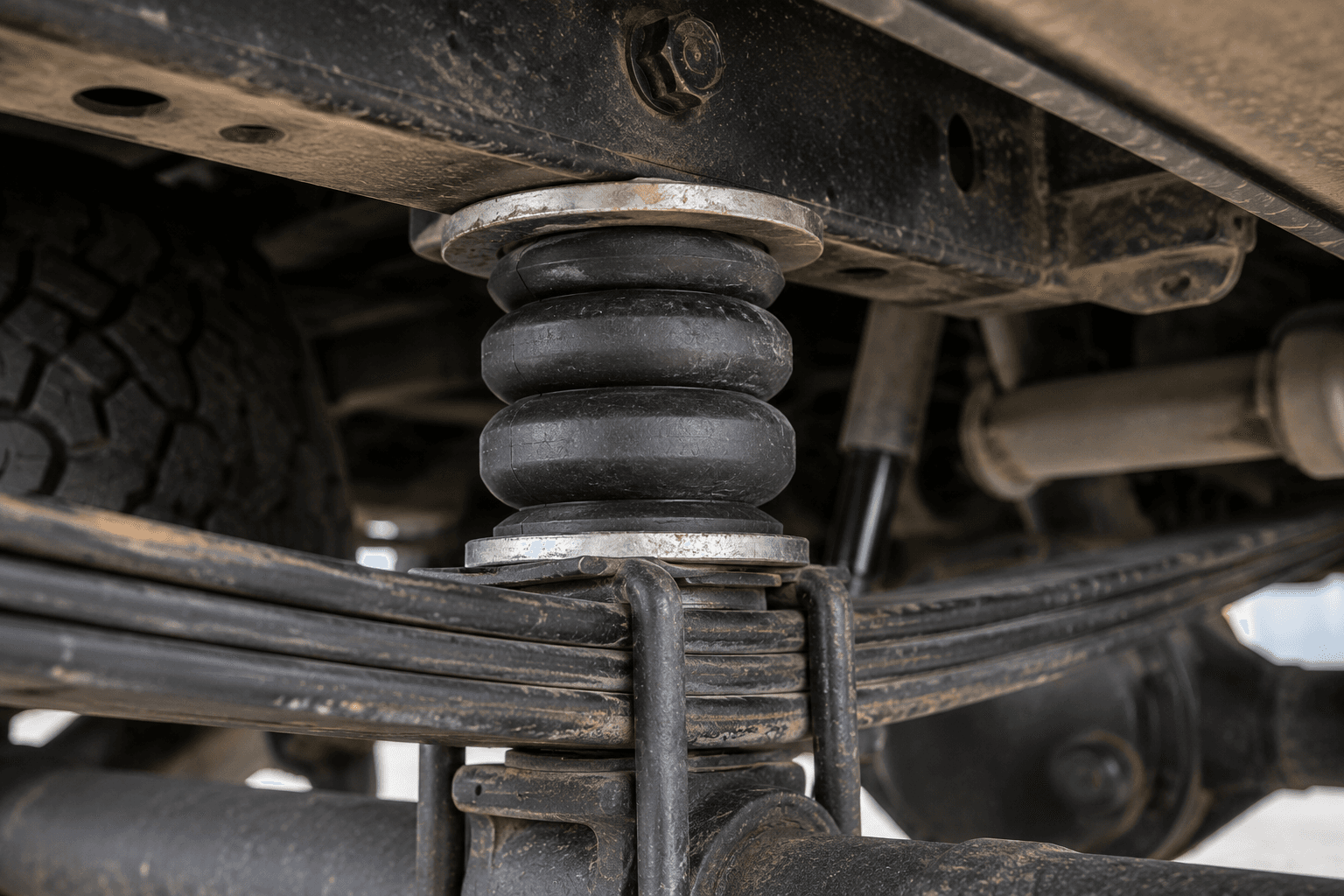
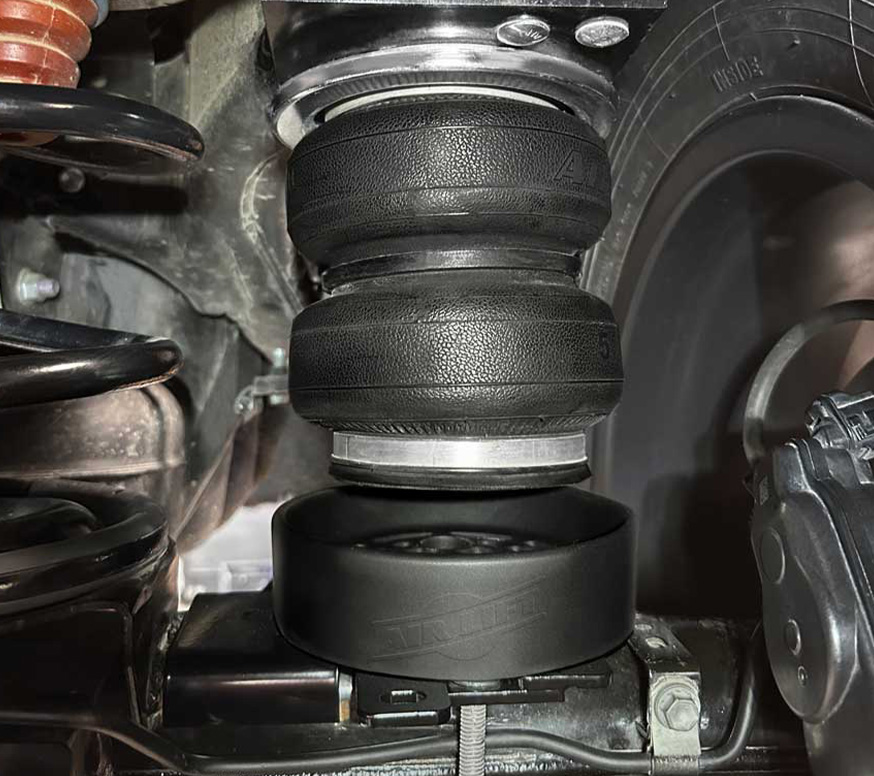
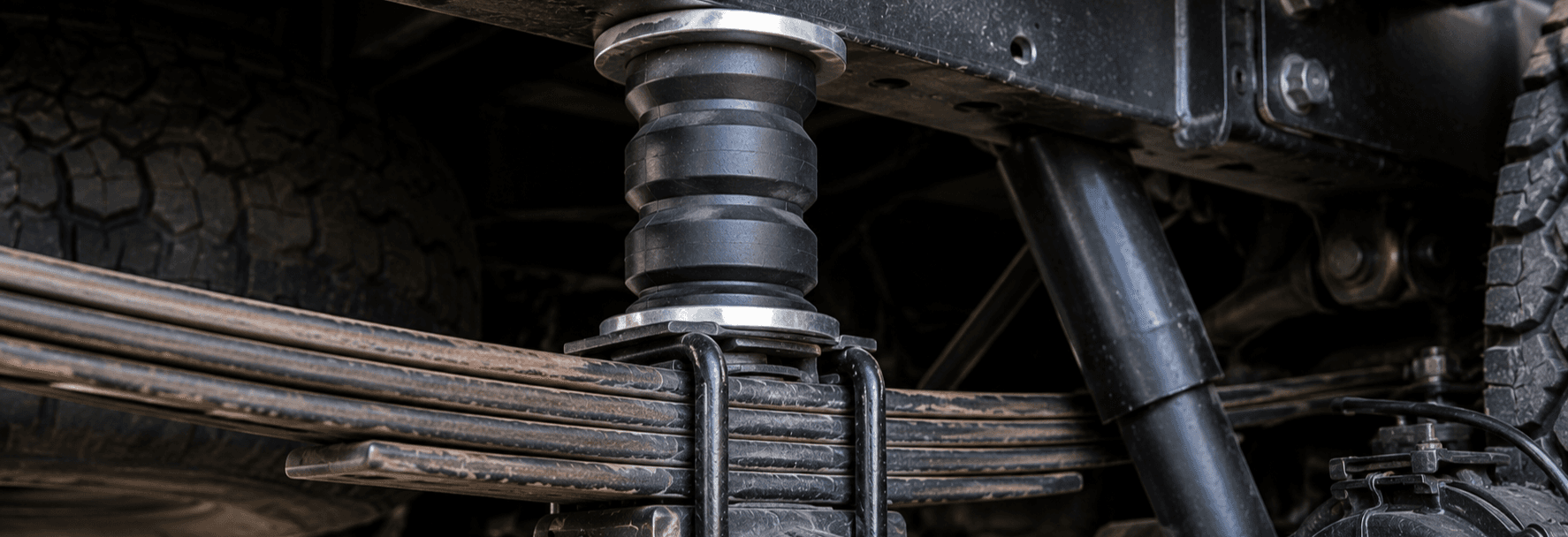
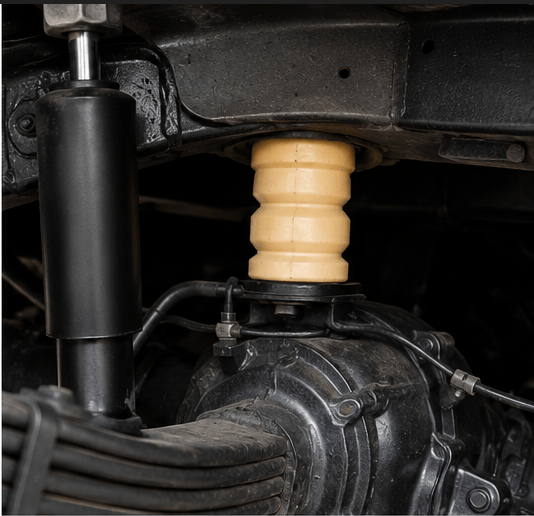
A jounce bumper, also known as a bump stop, is a suspension component designed to limit suspension travel and absorb impact when the suspension reaches maximum compression.
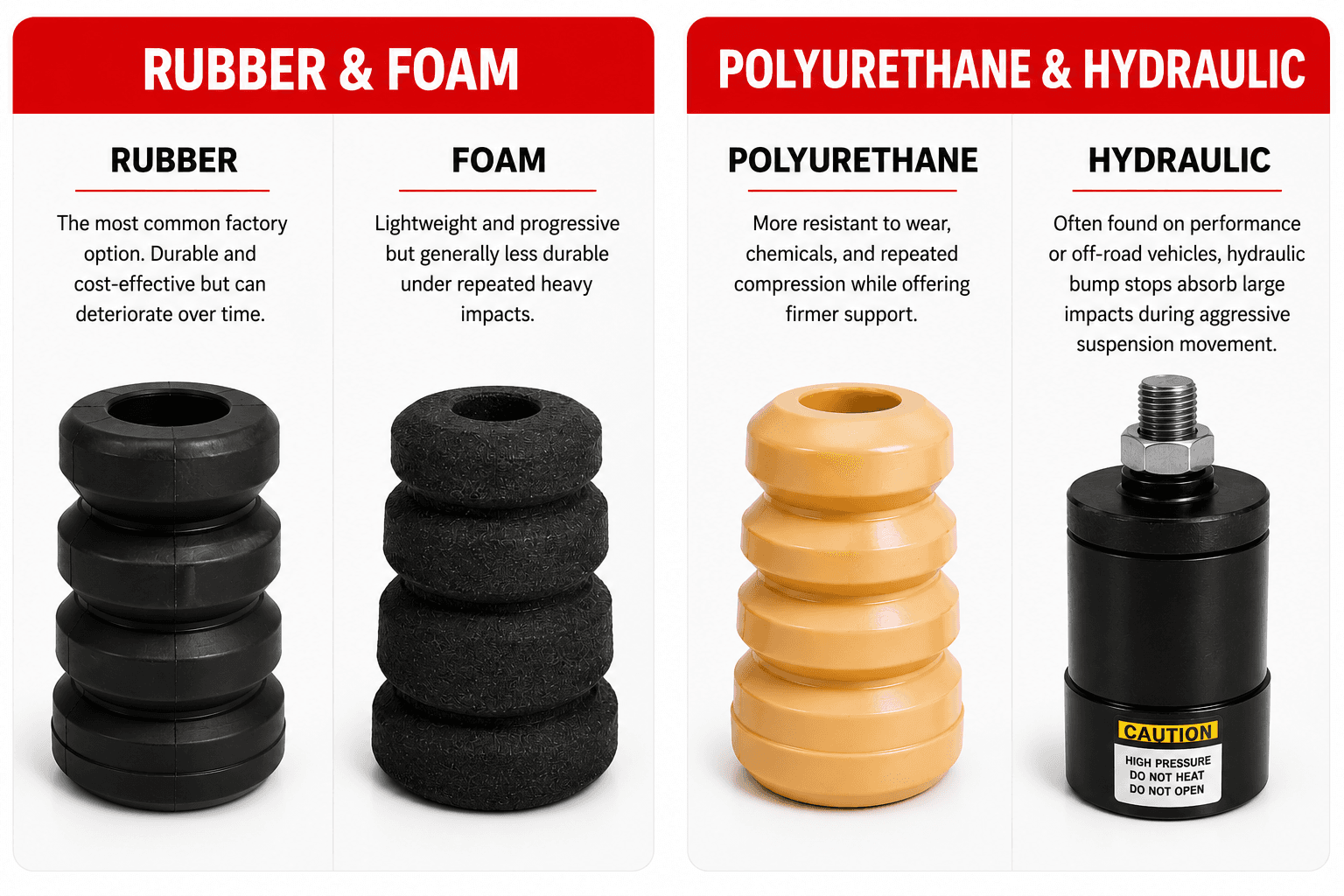
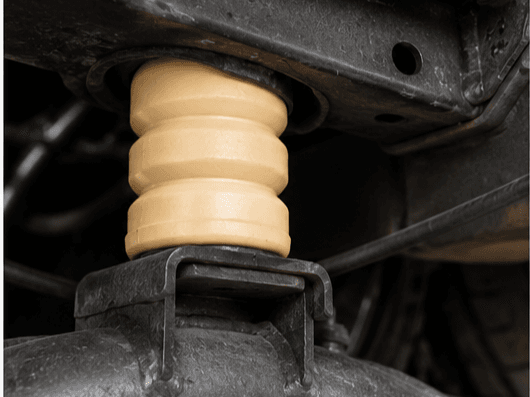
Most factory-installed bump stops are made from rubber or foam and are mounted between the vehicle's frame and suspension. Under normal driving conditions, they rarely make contact.

However, when carrying heavy loads or encountering large bumps, potholes, or uneven terrain, the suspension compresses until the bump stop engages.
Instead of allowing metal suspension components to collide, the bump stop cushions the impact and helps protect the vehicle from excessive force.
How Does a Bump Stop Work?
As your suspension compresses, the bump stop provides progressive resistance before the suspension reaches the end of its travel.
This additional cushioning helps:

- Reduce harsh bottoming-out impacts
- Protect shocks, springs, and suspension components
- Reduce stress on the frame
- Improve ride comfort during severe suspension compression
Rather than acting as part of your suspension during everyday driving, bump stops serve as a safety net when suspension travel is nearly exhausted.
When Do Bump Stops Engage?
Most drivers never notice their bump stops until they're needed.
Common situations include:

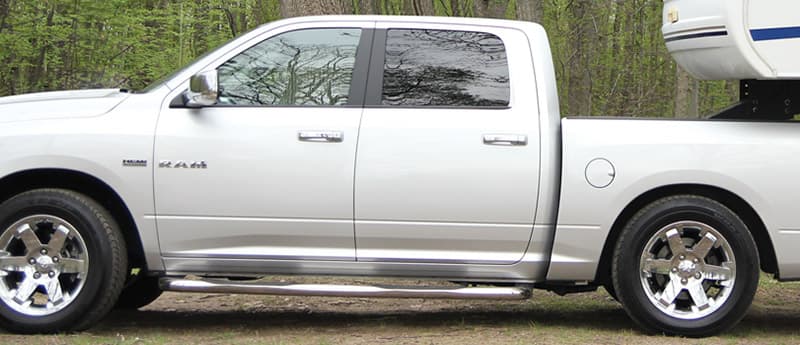
- Towing a trailer
- Hauling heavy cargo
- Driving over large potholes
- Crossing railroad tracks
- Off-road obstacles
- Uneven construction zones
In these situations, the suspension compresses farther than it would during normal driving, allowing the bump stop to absorb energy before hard contact occurs.
Signs Your Factory Bump Stops May Not Be Enough
Factory bump stops are designed to protect your vehicle under normal operating conditions. However, if your truck is frequently used for towing or hauling, you may notice signs that your suspension is working harder than intended.
These signs may include:

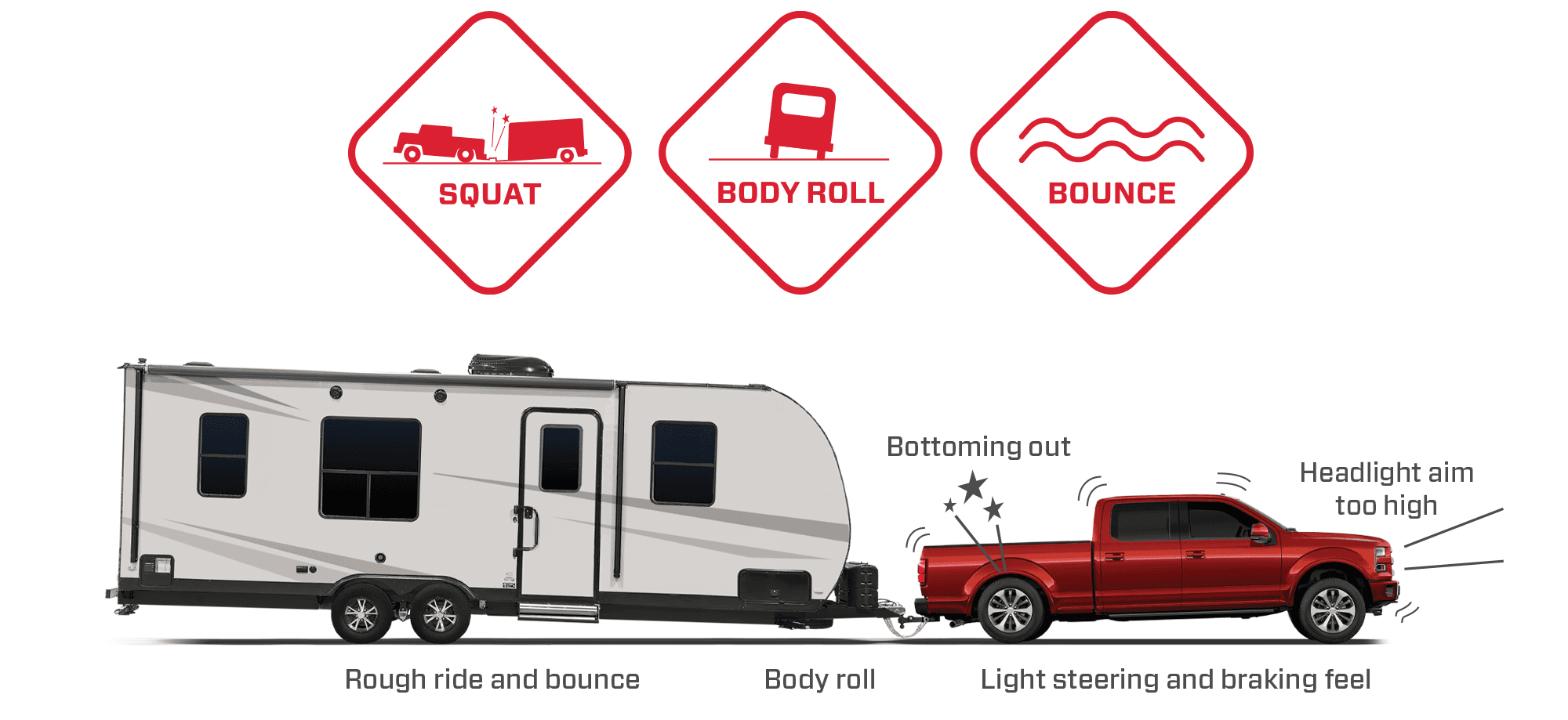
- Frequent bottoming out
- Excessive rear-end squat
- Harsh impacts over bumps
- Increased body roll
- Damaged or deteriorated bump stops
- Reduced ride comfort under load
If you regularly exceed the demands of everyday driving, additional suspension support may help improve stability, ride quality, and control.
Types of Bump Stops
Not all bump stops are the same. Different materials and designs are intended for different driving conditions.

Do Bump Stops Wear Out?
Yes.
Like any suspension component, bump stops wear with age and use. Heat, road debris, UV exposure, and repeated compression can cause rubber or foam bump stops to crack, dry out, or deteriorate.
Replacing worn bump stops helps ensure your suspension continues to provide proper protection when it's needed most.
Keep Your Suspension Protected
Your vehicle's bump stops may be small, but they play a big role in protecting your suspension from damage and maintaining ride quality. Understanding how they work — and recognizing when your suspension may need additional support — can help extend the life of your vehicle and improve confidence behind the wheel, whether you're towing, hauling, or simply navigating rough roads.
Frequently Asked Questions
What is a jounce bumper?
A jounce bumper, also called a bump stop, is a suspension component that cushions impacts when the suspension reaches maximum compression.
Is a jounce bumper the same as a bump stop?
Yes. "Jounce bumper" is the technical term, while "bump stop" is the more commonly used name.
What happens when a bump stop wears out?
A worn bump stop can reduce impact protection, increase suspension stress, and contribute to harsher rides over large bumps or while towing.
Do all trucks have bump stops?
Yes. Nearly every factory truck is equipped with bump stops designed to limit suspension travel and protect suspension components.
Can bump stops improve towing?
Factory bump stops primarily protect the suspension from hard impacts. Trucks used for frequent towing or hauling may benefit from additional suspension support solutions designed for heavier loads.
Can bump stops prevent bottoming out?

Bump stops help cushion bottoming out and reduce the force of impacts. However, vehicles that are regularly overloaded or used for heavy towing may benefit from additional suspension support designed for those applications.